Historias que nos habitan
Moving portraits of two historical figures, as digital humans
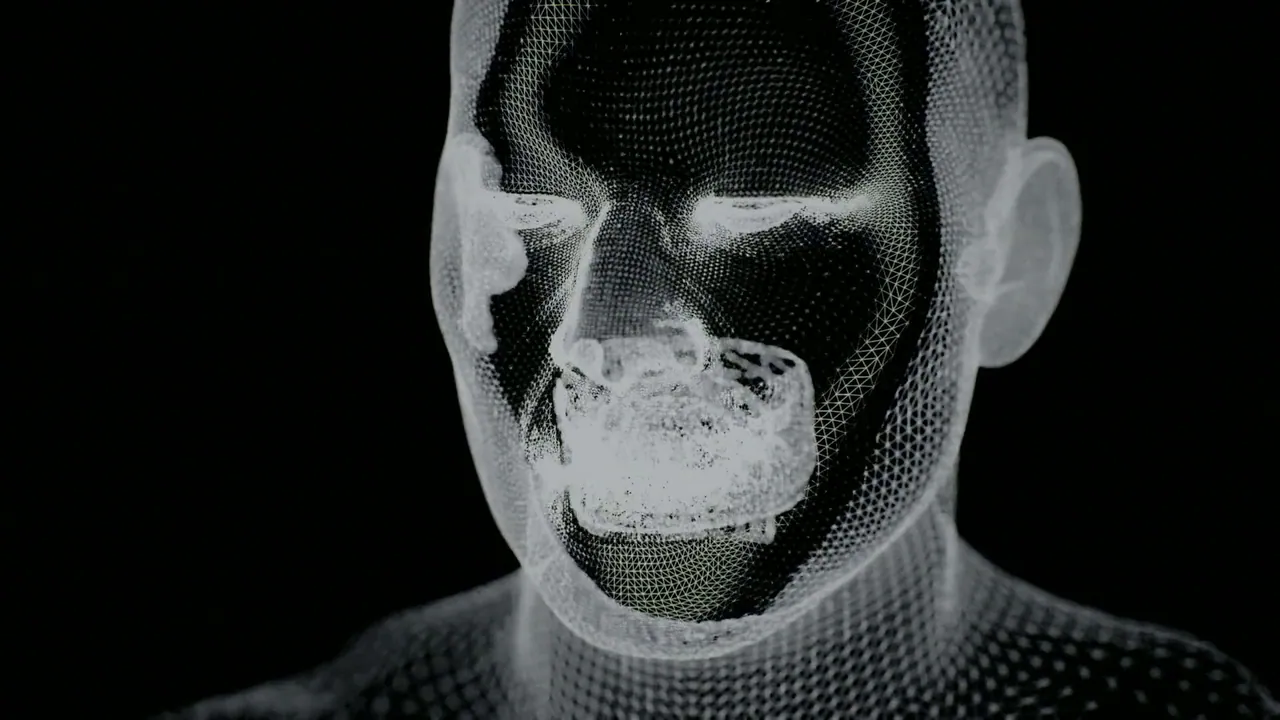
We rebuilt Cuauhtémoc and Gandhi as digital humans — skin, gesture and voice — and sat them before a portrait camera to say something they really said.
We know almost every figure in history standing still. We have seen Cuauhtémoc in statues and on banknotes; Gandhi, in black-and-white photographs and in newsreels from almost a century ago. We know what they did and what they said, but we have never seen them hesitate before speaking, swallow, or hold a gaze.
This project starts from a simple question: what changes when they are right in front of us? We rebuilt them as digital humans, with skin, gesture and voice, dressed them in cloth simulated from what the codices and the photographs show, and placed them before a portrait camera to say something they really said.
We chose two men four centuries and half a world apart, who resisted an empire in opposite ways: one with weapons, until there was no city left to defend; the other by refusing to use them. Putting them side by side is a way of remembering that history was made by people with bodies and voices — and that is why they still live in us.
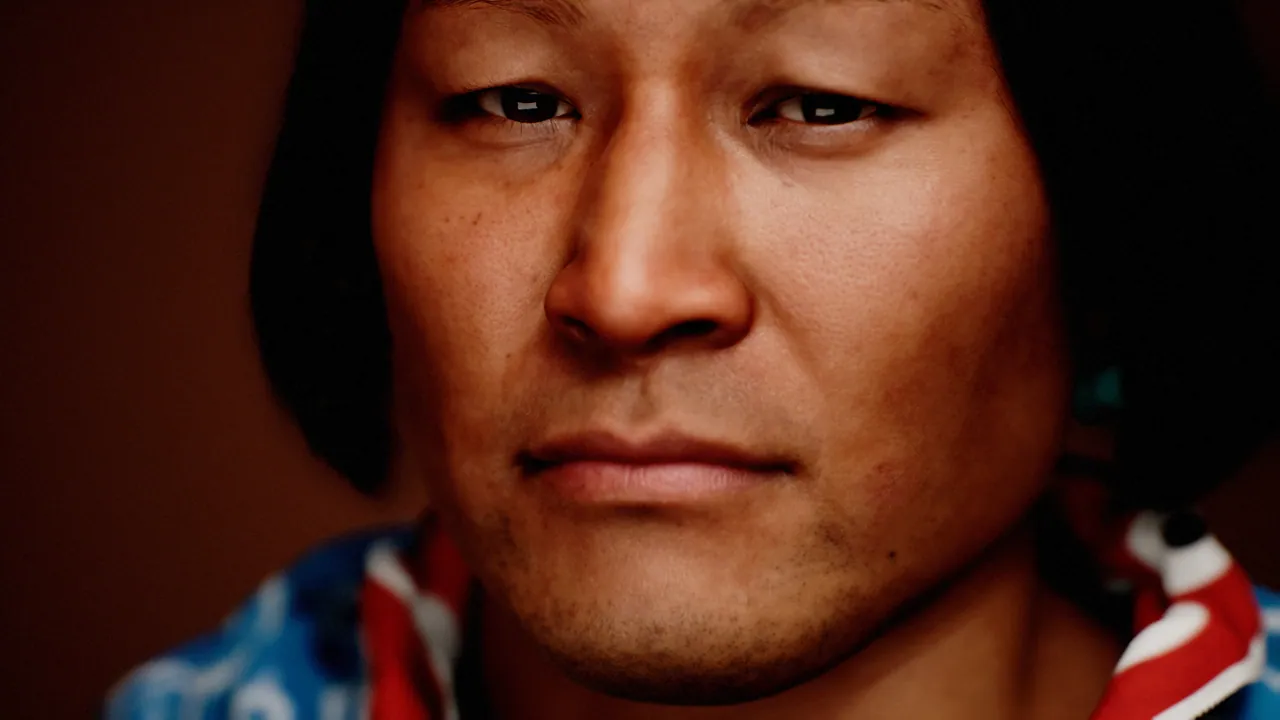
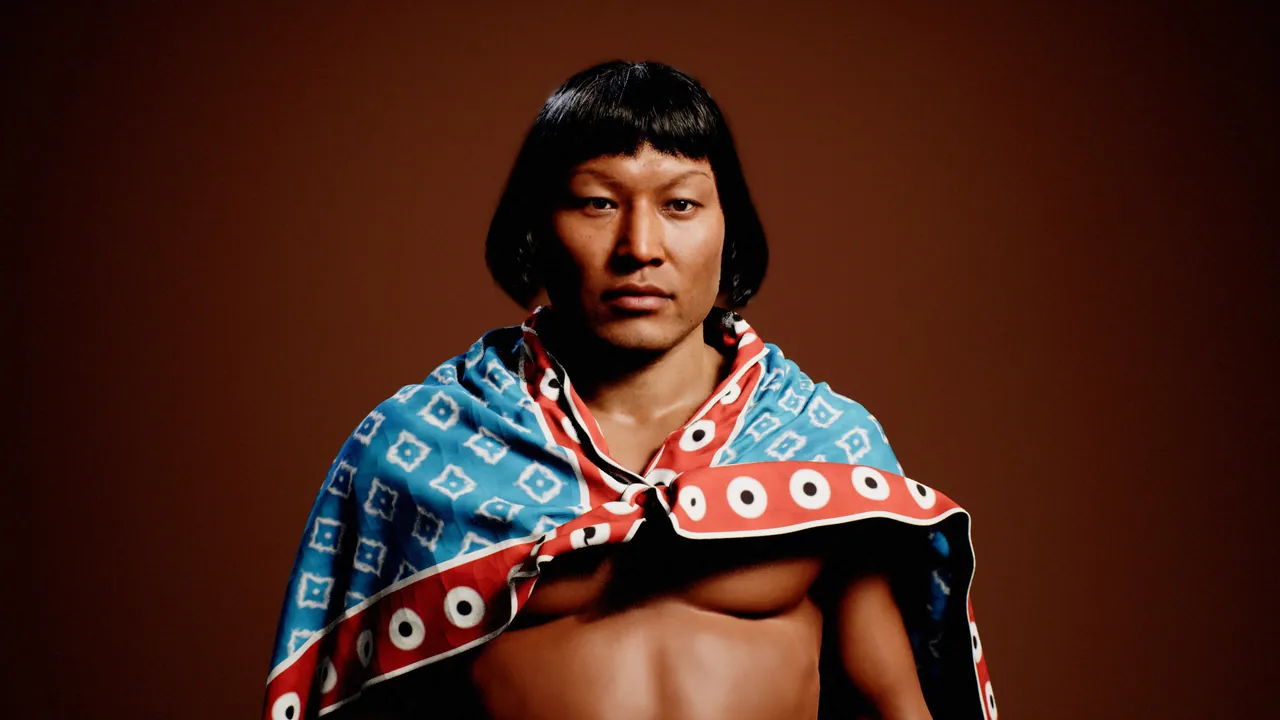
The last huey tlatoani of Mexico-Tenochtitlan. He came to power very young, after smallpox killed his predecessor, Cuitláhuac, and while the Spanish were already preparing the siege. He defended the city for nearly three months. On 13 August 1521 he was captured and brought before Hernán Cortés; according to the chronicler Bernal Díaz del Castillo, he asked him to take the dagger at his belt and kill him with it. Cortés did not. He was tortured to reveal where the gold was, and hanged in 1525 during the expedition to Las Hibueras. His name means “descending eagle”.
In the piece he speaks Spanish, because that is how his words reached us. He spoke Nahuatl.
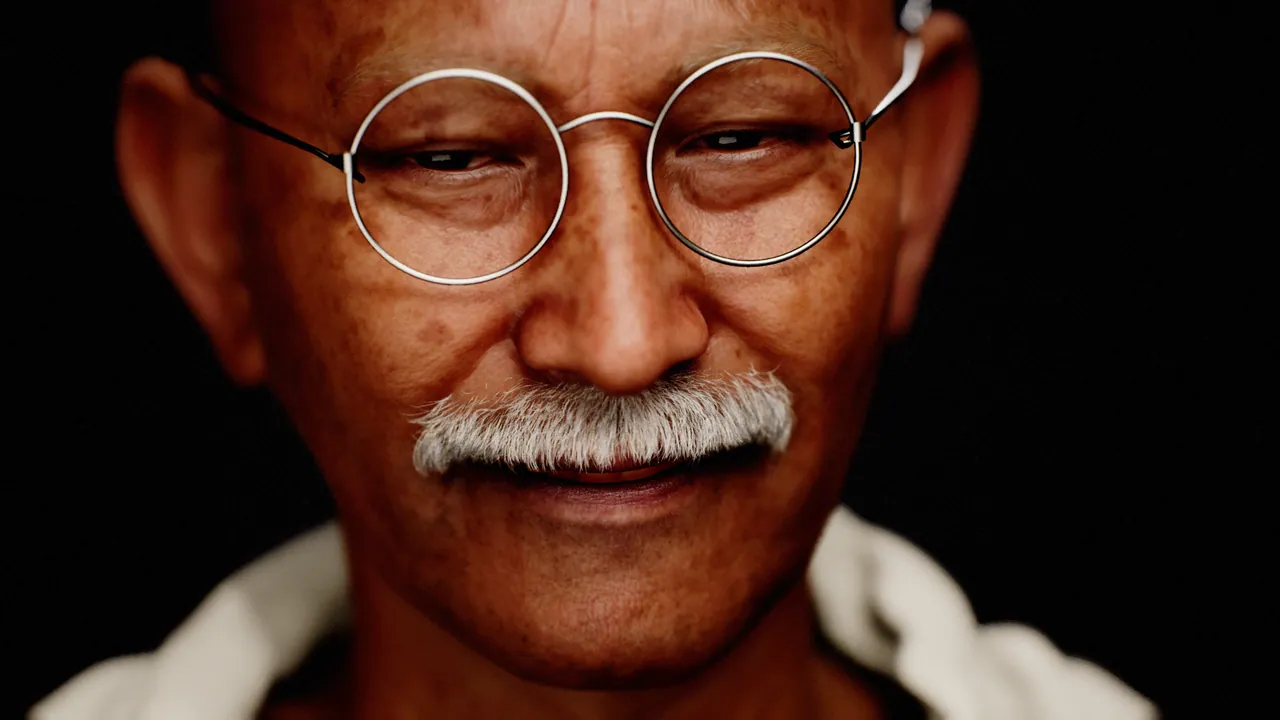
Mohandas Karamchand Gandhi was born in Porbandar, in western India. He studied law in London and lived twenty-one years in South Africa, where he began to practise non-violent resistance against the laws that discriminated against the Indian community. Back home, he led the movement that brought independence in 1947. He spun his own cotton and wore khadi, the handwoven cloth he turned into a symbol of that independence. He was assassinated in New Delhi on 30 January 1948. In 1936 he wrote: “I have nothing new to teach the world. Truth and non-violence are as old as the hills.”
In the piece he says that line in Hindi. He wrote it in English, in his weekly Harijan.
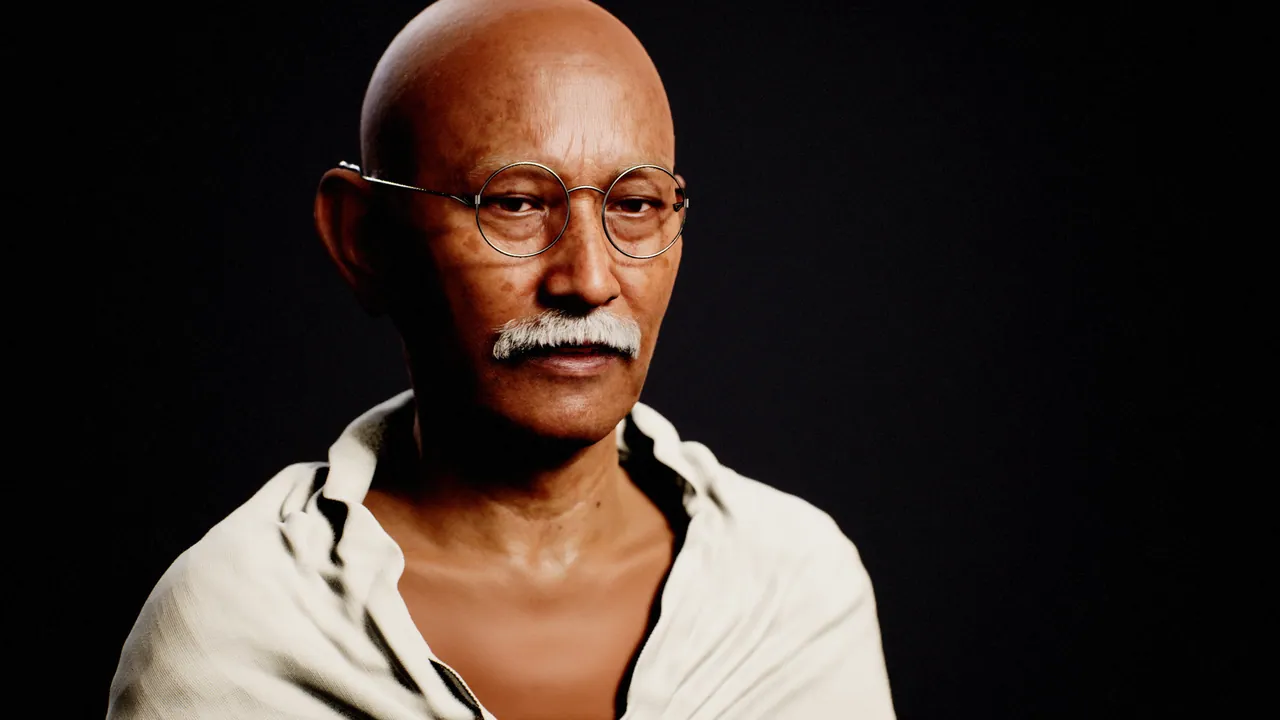
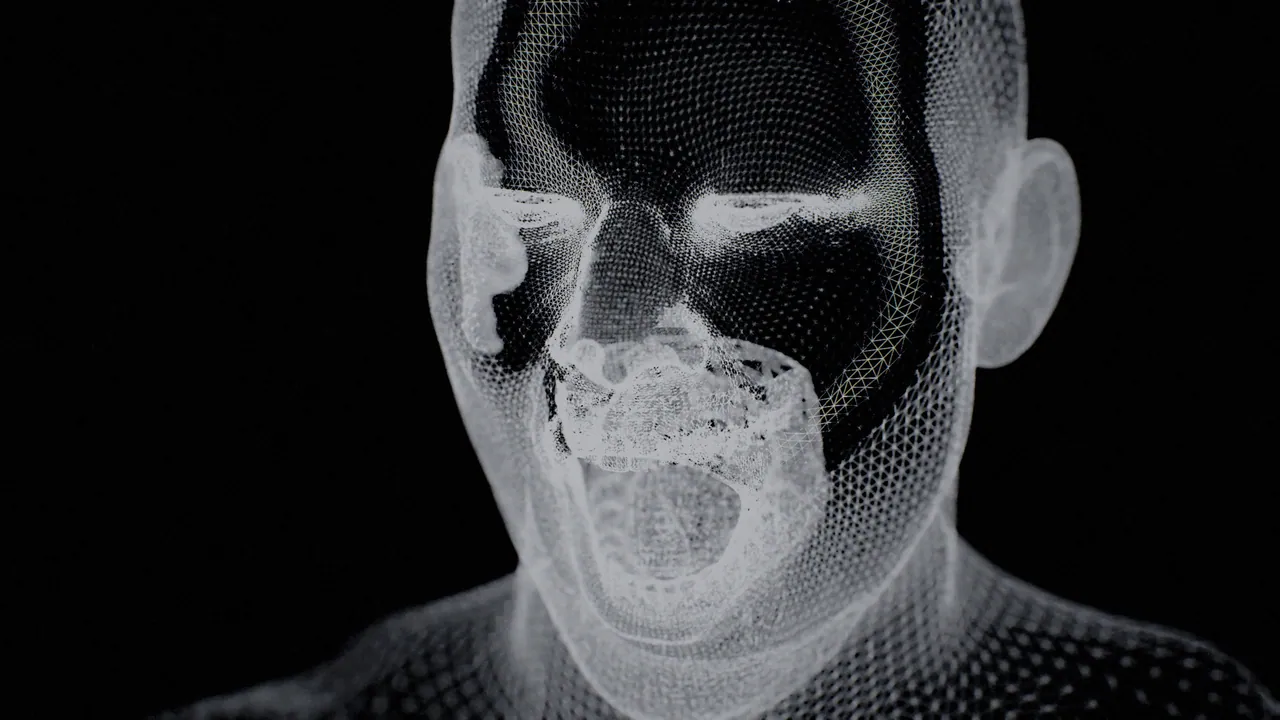
Both are MetaHumans built in Unreal Engine. The garments are rectangles of cloth simulated over the moving body: Cuauhtémoc’s blue mantle follows the portraits of rulers in the codices, and Gandhi’s khadi shawl, his photographs. The face is animated from the voice, and on top of that we directed the performance: head, gaze, breathing and gesture. The voices are synthetic; they are not archive recordings.
Bernal Díaz del Castillo, Historia verdadera de la conquista de la Nueva España, chapter CLVI.
M. K. Gandhi, Harijan, 28 March 1936.
The team behind it
- Creative Lead
- Martín RC
- Studio
- By Fiction Team
- Voices
- Synthetic recreation